Durability & wear
Most Durable Nike Tennis Shoes: Vapor Cage 4 or GP 1.5?
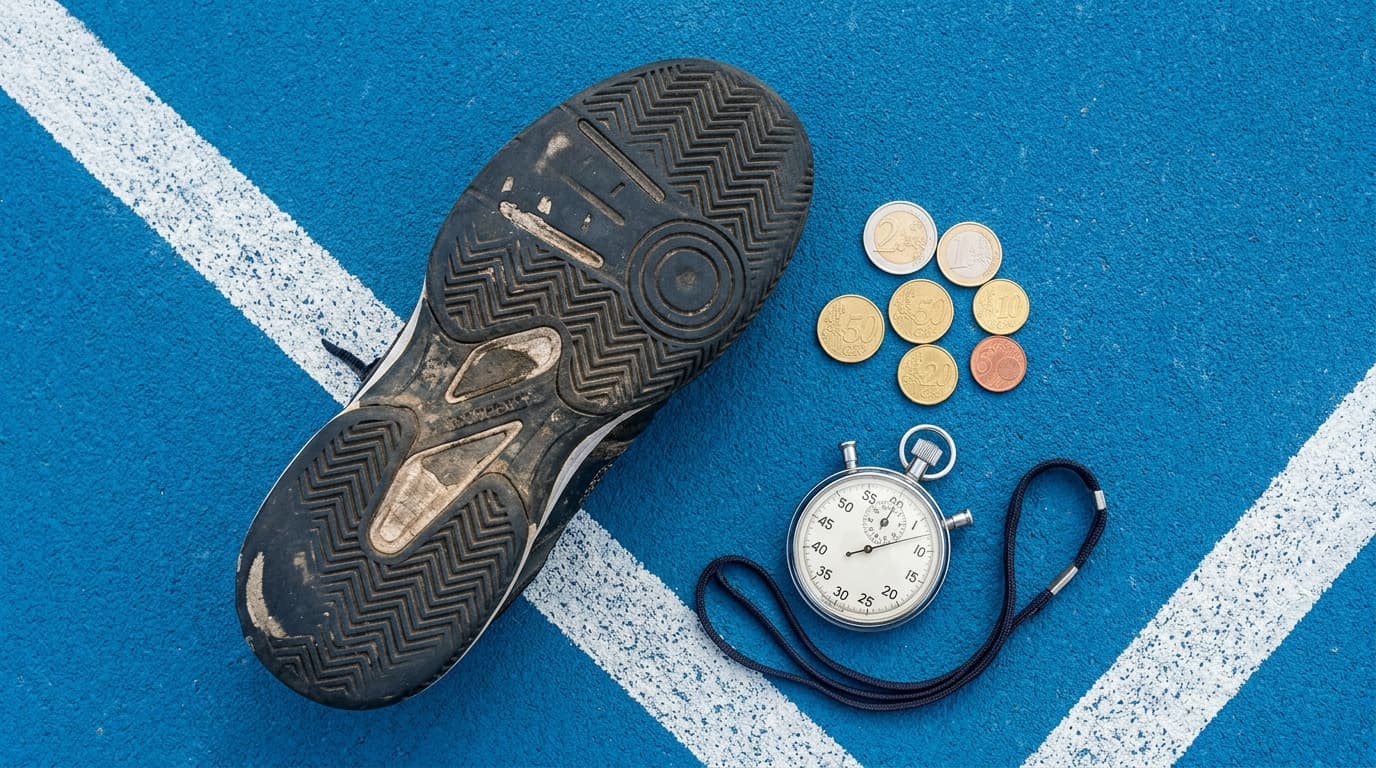
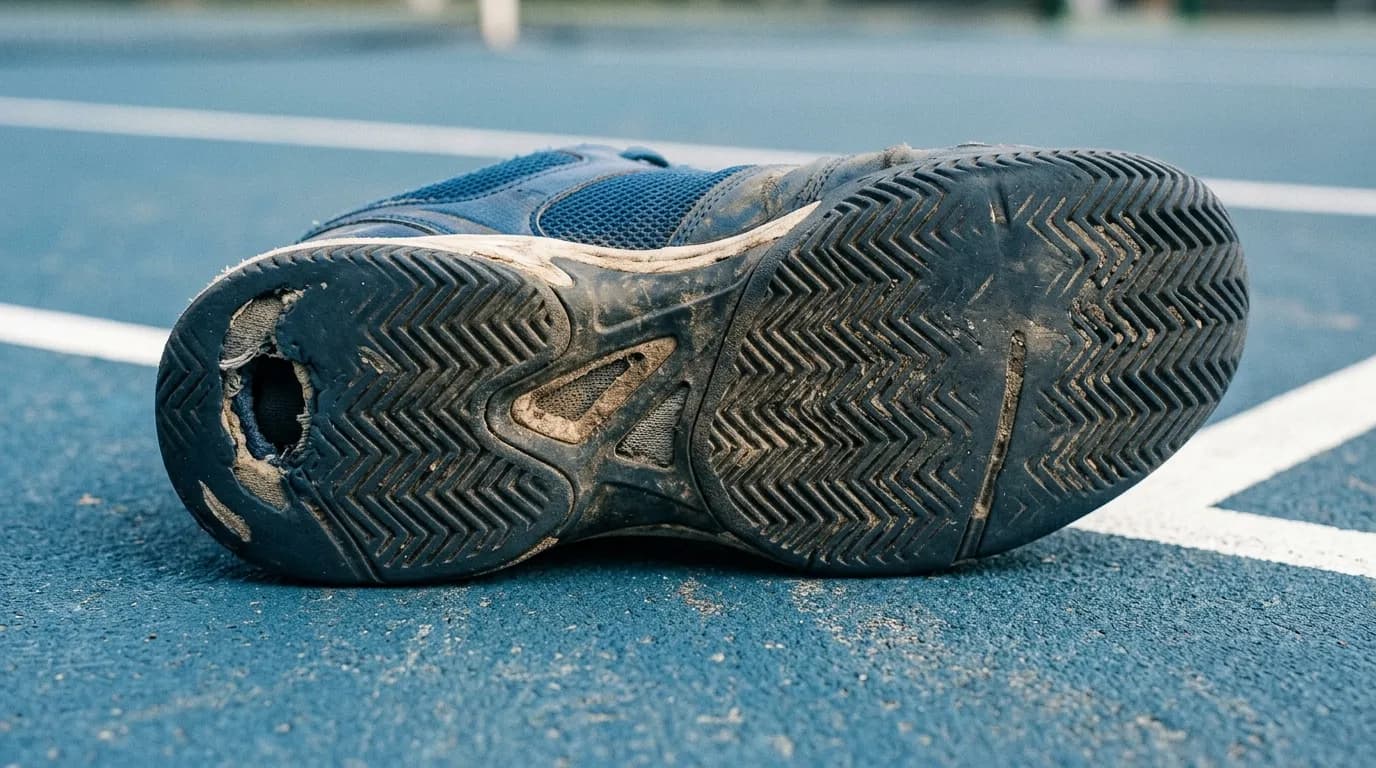
The most durable Nike tennis shoe is the Vapor Cage 4 (9.4/10). Among current models, the GP Challenge 1.5 and Vapor Pro 3 reach 8.6/10, from €117.
Contents · 12 sections
- Key takeaways
- Which Nikes are compared, and on what criteria?
- Why is the Vapor Cage 4 still the longest-lasting Nike?
- GP Challenge 1.5 or Vapor Pro 3: which one lasts?
- Is the GP Challenge Pro good value for durability?
- Why does the Vapor 12 not last as long?
- And the Vapor Lite 3 on a small budget?
- Which Nike should you pick for the way you wear shoes?
- And against the toughest Asics and Adidas?
- Sources
- FAQ
- Related articles
The most durable Nike tennis shoe is the Air Zoom Vapor Cage 4: 9.4/10 for durability on our grid, and the one Nike that Tennis Warehouse names as the brand's longest-lasting. It is harder to find than a 2025 Nike. Among current models, the GP Challenge 1.5 and the Vapor Pro 3 hold up best, at 8.6/10.
The Vapor 12, the best seller, comes last.
Which Nikes are compared, and on what criteria?
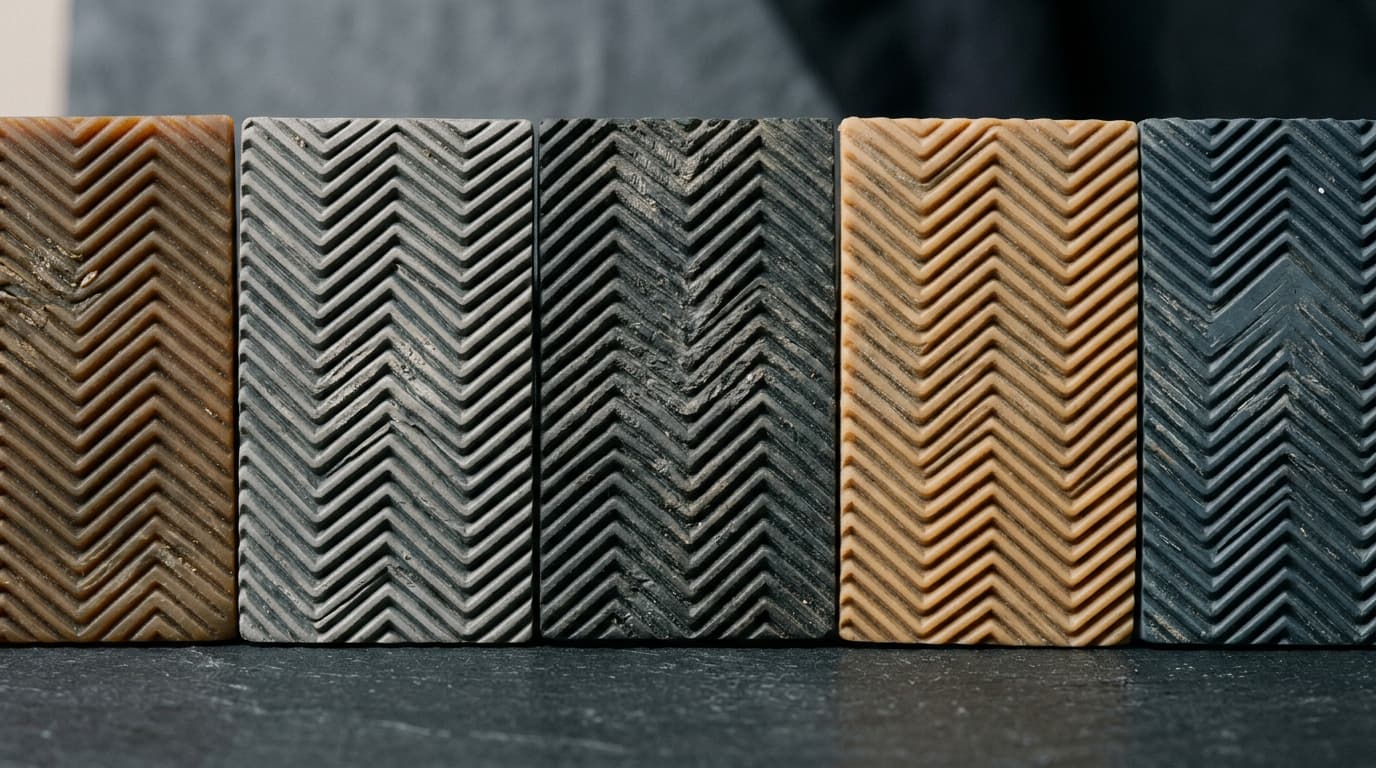
Four competition models and one entry-level model, all sold in Belgium or still found as end-of-line stock. I compare them on rubber first, because that is what gives way for a player who slides or drags the back foot on the serve, then on what comes with lifespan: weight, comfort, price, toe protection.
The /10 scores come from our editorial grid, built from published tests (Tennis Warehouse, RunRepeat, Tennis Companion). They are compiled scores, not on-court trials.
| Nike model | Durability /10 | What protects the outsole | Weight (men's US 10.5) | Price seen in Belgium | Cost per hour (45-60 h) |
|---|---|---|---|---|---|
| Air Zoom Vapor Cage 4 | 9.4 | rubber wrapping up over the toe and the inner side | 439 g | not disclosed (end of line) | depends on the price found |
| GP Challenge 1.5 | 8.6 | high-abrasion rubber, denser under the inner forefoot, drag guard | 456 g | around €125 | €2.10 to €2.80 |
| Vapor Pro 3 | 8.6 | full-length Hart rubber, right up to the toe | 425 g | around €117 | €1.95 to €2.60 |
| GP Challenge Pro | 8.2 | hard rubber (87.5 HC), rubberised drag guard | not disclosed | around €97 | €1.60 to €2.15 |
| Vapor 12 | 7.2 | lighter rubber, large drag guard, cast PU at the toe | 414 g | around €159 | €2.65 to €3.55 |
| Vapor Lite 3 | 7.0 | new compound, toe in the same rubber | not disclosed | around €70 | €1.15 to €1.55 |
Prices are averages seen in Belgium between June and September 2026. Cost per hour divides that price by the lifespan of the cushioning, 45 to 60 hours of tennis according to the AAPSM, the American Academy of Podiatric Sports Medicine.
Why is the Vapor Cage 4 still the longest-lasting Nike?
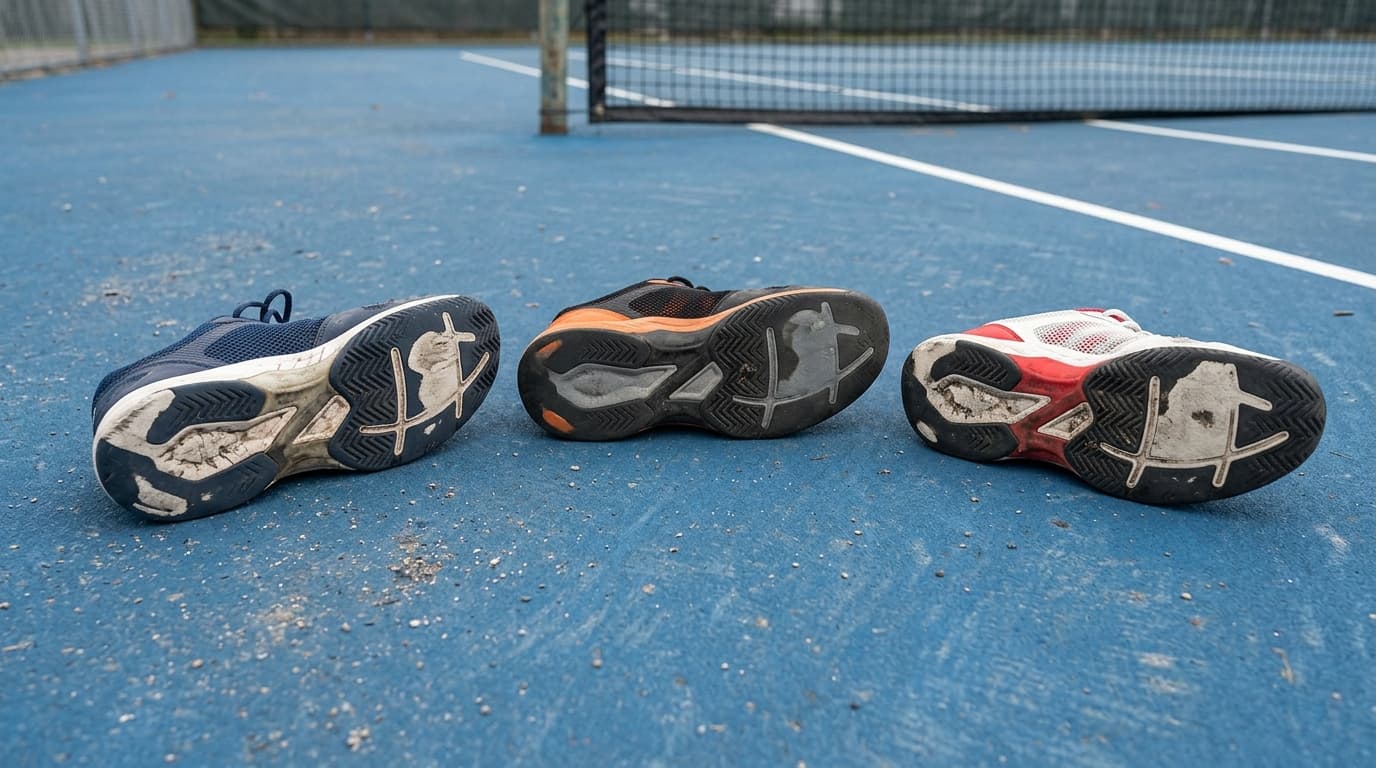
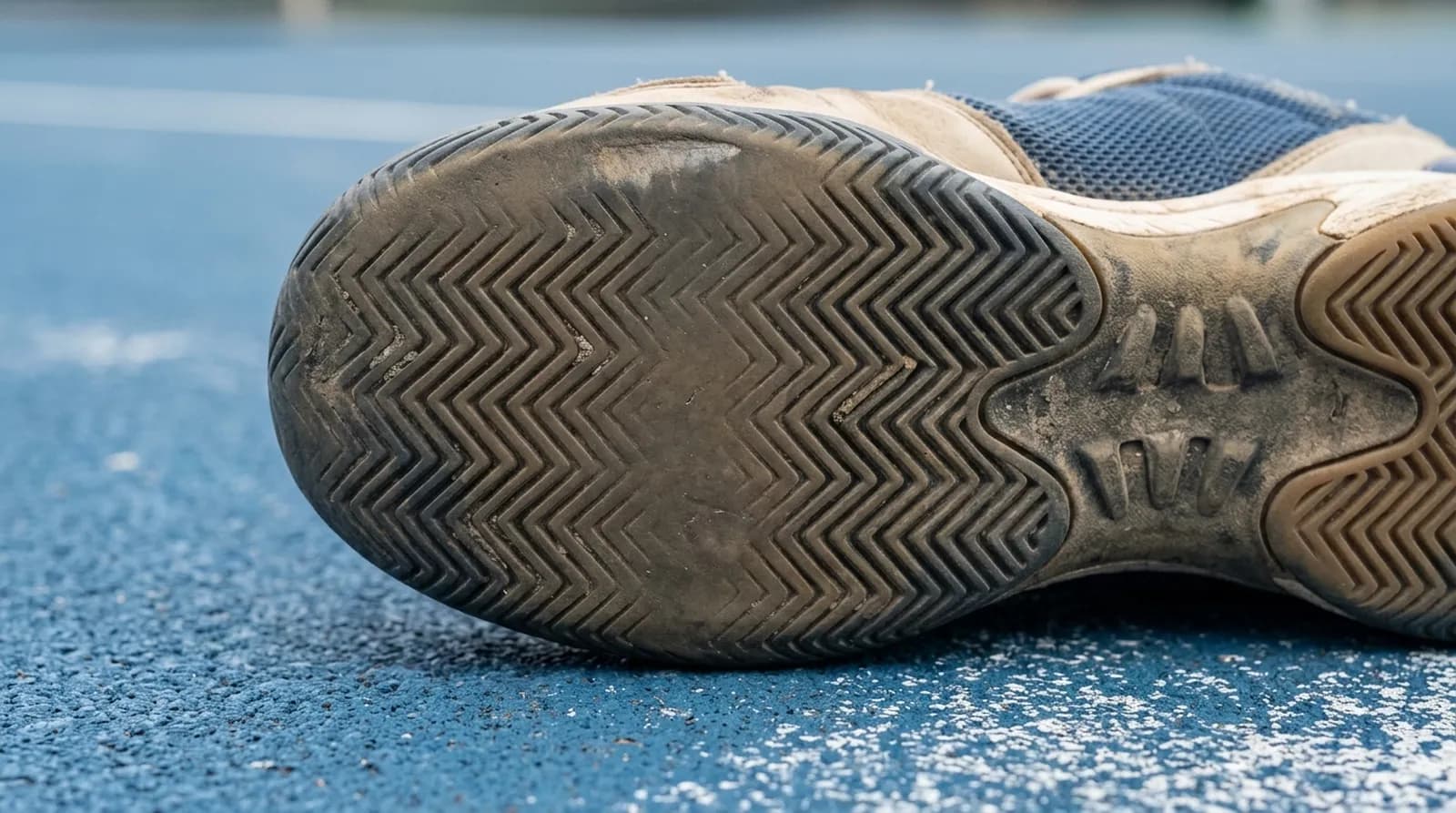
Because its outsole does not stop under the foot. On the Vapor Cage 4, the rubber wraps up over the toe and the inner side, exactly where a player who slides on hard courts scrapes the shoe. Tennis Warehouse's review gives it 4.5/5 for outsole durability and 4.5/5 for toe durability, and testers in the United States, Europe and Australia all singled out the same things: comfort, stability, durability.
It has two drawbacks. Weight, 439 g in men's US 10.5, and age: it predates the 2025 models and is mostly sold in Rafa colourways and end-of-line stock. Its official European price is not disclosed.
It is also the only Nike covered by a 6-month outsole warranty, but that is the American retailer Tennis Warehouse's warranty, for a purchase from them in the United States. The details are in the article on the 6-month outsole warranty.
GP Challenge 1.5 or Vapor Pro 3: which one lasts?
Both last as long. What separates them is weight and cushioning.
The GP Challenge 1.5 is the shoe of the aggressive baseliner, the one Frances Tiafoe wears. Its high-abrasion rubber is denser under the inner forefoot, the area that wears first when you push off, and a rubber drag guard protects the inside of the toe. It has Air Zoom in the heel and forefoot, on a TPU plate: 9.4/10 for comfort, the best score in the range. The price of that is weight: 456 g.
The Vapor Pro 3 is faster. Its Hart rubber runs over the whole outsole up to the toe, and RunRepeat's measurements rate its durability as "fantastic", wear zones included. It is 31 g lighter and €8 cheaper on average, but its forefoot Air Zoom unit is smaller (8.4/10 for comfort).
A heavy player who hits from the back and has sore knees will take the GP Challenge 1.5. An interclub competitor who runs a lot and drags the foot on the serve will take the Vapor Pro 3.
Is the GP Challenge Pro good value for durability?
Yes, it is the cheapest hard-wearing Nike. Found at around €97 in Belgium, it lacks the targeted reinforcements of the GP Challenge 1.5, but its rubber is hard: 87.5 HC on the durometer at RunRepeat, which measures a 0.6 mm dent in the Dremel test, right on the average for tennis shoes. RunRepeat notes that it matches pricier models while costing less than average.
Its weak point is not under the foot. Reviews report a mesh upper that damages easily, and the upper will often retire it before the outsole does. At €97, kept for 45 to 60 hours, it works out at €1.60 to €2.15 per hour of play.
Why does the Vapor 12 not last as long?
Because Nike chose speed. To lighten the Vapor 12, the brand removed much of the rubber, and Tennis Warehouse's review sees the outsole smooth out in the usual places. It keeps a large drag guard on the toe and cast PU on the inner edge, which delays the toe wearing through, not the wear on the rest.
Tennis Companion gives it 8.2/10 for outsole durability and finds it tougher than most lightweight shoes, without being built to last. On our grid, that is 7.2/10. At around €159, it costs €2.65 to €3.55 per hour, the most expensive of the Nikes compared.
It remains the best Nike for a light, attacking player who likes to feel the court: 9.4/10 for grip, 414 g. The full Vapor 12 review covers that trade-off.
And the Vapor Lite 3 on a small budget?
It holds up well for its price, around €70. RunRepeat highlights an upper and an outsole that are durable for the price range, with the toe in the same reinforced rubber. Its 7.0/10 puts it just below the Vapor 12, for less than half the price. It suits a recreational player who plays once or twice a week, not one who wears through an outsole in three months.
Which Nike should you pick for the way you wear shoes?
Your playing profile matters more than the model. Here is how they match up, based on the scores and tests cited above:
- You wear through outsoles on hard courts in under three months: Vapor Cage 4 if you can find it in your size, otherwise GP Challenge 1.5.
- You drag your back foot on the serve: Vapor Pro 3, with rubber up to the toe, or the GP Challenge 1.5 and its inner drag guard.
- You are a heavy player and your knees tire: GP Challenge 1.5, the most cushioned in the range.
- You want durability without going over €100: GP Challenge Pro, keeping an eye on the upper.
- You play light, mostly on clay in summer: Vapor 12, which wears little on clay.
On clay, the question changes scale. More than eight courts in ten in Belgium are clay (brique pilée, crushed brick) according to RTBF (in French), and that surface wears rubber far less than hard courts. In summer, cushioning decides when you replace. In winter, under a bubble or on GreenSet, rubber becomes the criterion again.
And against the toughest Asics and Adidas?
The hard-wearing Nikes hold their own. The Asics Gel-Resolution X, with full-length AHAR Plus rubber, scores 9.0/10 and wears 0.3 mm less than average in RunRepeat's Dremel test, for around €130 in Belgium. The Adidas Barricade 13, in Adiwear 2.0, also scores 9.0/10 for around €109. Only the Vapor Cage 4 beats them, and the GP Challenge 1.5 and Vapor Pro 3 are 0.4 points behind.
The ranking of durable tennis shoes orders every brand by durability score, and the comparison tool lines these models up criterion by criterion. For the rest of the range, see the Nike brand page, and to know how many hours a pair lasts at your pace, the article on how long tennis shoes last.
Sources
- Tennis Warehouse, Nike Air Zoom Vapor Cage 4 review
- Tennis Warehouse, most durable tennis shoes
- Tennis Warehouse, Nike GP Challenge 1.5 product page
- RunRepeat, Nike Vapor Pro 3
- RunRepeat, Nike GP Challenge Pro
- Tennis Warehouse, Nike Zoom Vapor 12 review
- Tennis Companion, Nike Vapor 12
- RunRepeat, Asics Gel-Resolution X
- AAPSM, When to replace athletic shoes
- RTBF, clay at the heart of Belgian tennis (in French)
- Tennis Warehouse, 6-month outsole warranty
Your questions
Frequently asked questions
What is the most durable Nike tennis shoe in 2026?
The Nike Air Zoom Vapor Cage 4, rated 4.5/5 for outsole and toe durability by Tennis Warehouse, which names it the most durable Nike. It predates the 2025 models, so check it is still available in Belgium. Among current models, take the GP Challenge 1.5 or the Vapor Pro 3, both at 8.6/10 for durability.
Does the Nike Vapor 12 wear out quickly?
Faster than Nike's other competition shoes. To save weight, Nike removed much of the rubber, and Tennis Warehouse sees the outsole smooth out in the usual places. It keeps a large drag guard on the toe. On our grid it scores 7.2/10 for durability, against 8.6 for the Vapor Pro 3.
GP Challenge 1.5 or Vapor Pro 3: which one lasts longer?
They are level on rubber, 8.6/10 each. The GP Challenge 1.5 reinforces the inner forefoot and the toe, the Vapor Pro 3 carries Hart rubber right up to the toe. Pick the GP Challenge 1.5 for cushioning (9.4 for comfort) and the Vapor Pro 3 for lightness and price.
Which Nike lasts longest for the money?
The GP Challenge Pro, found at around €97 in Belgium: its hard rubber (87.5 HC) wears at an average rate in RunRepeat's test. Over 45 to 60 hours of play, it works out at about €1.60 to €2.15 per hour, against €1.95 to €2.60 for the Vapor Pro 3.
Does Nike offer an outsole warranty?
No, no Nike brand outsole warranty was found. The Vapor Cage 4 is covered for 6 months by the retailer Tennis Warehouse, for a purchase from them in the United States. In Belgium, the 2-year legal guarantee covers defects, not wear.